

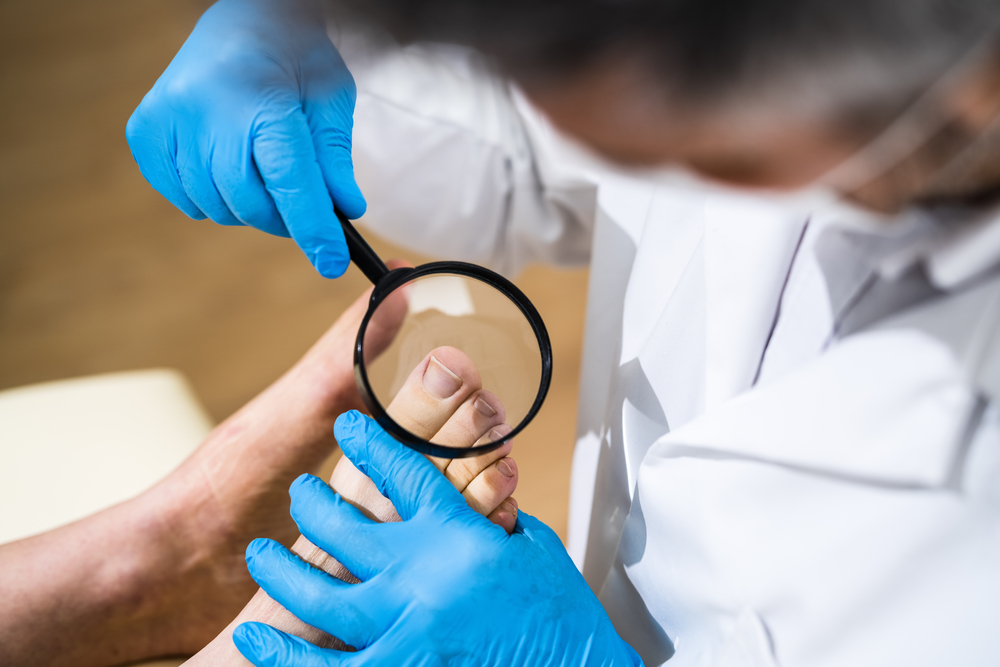
What Are Ingrown Toenails?
An ingrown toenail happens when a toenail grows into the skin around it instead of growing normally. This can lead to pain, redness, swelling, and in some cases, infection. Ingrown toenails most commonly affect the big toe, but they can occur on any toe.Causes of Ingrown Toenails:
- Improper Nail Trimming: One of the primary causes of ingrown toenails is cutting your nails too short or rounding them at the edges. This makes the nail to grow into the skin.
- Tight-Fitting Shoes: Wearing shoes that are too tight can put pressure on the toenails, causing them to become ingrown.
- Injury: Hurting your toe, like when you accidentally bump it, can sometimes cause an ingrown toenail.
- Genetics: Some people are more likely to get ingrown toenails because of the way their nails naturally grow.
- Poor Foot Hygiene: Poor foot hygiene can increase the risk of ingrown toenails.
Symptoms of Ingrown Toenails:
Recognizing the symptoms of an ingrown toenail is crucial for early intervention and treatment. Common symptoms include:- Pain and tenderness along the side of the toenail.
- Redness and swelling around the affected area.
- Warmth and increased sensitivity.
Treatment Options:
If you suspect you have an ingrown toenail, there are several steps you can take to minimize the discomfort and prevent further complications:- Soak Your Foot: Soaking your affected foot in warm, soapy water can help reduce pain and swelling.
- Proper Nail Care: Trim your nails straight across, avoiding rounded edges. Be gentle while cutting to prevent further irritation.
- Wear Comfortable Footwear: Choose shoes that provide enough room for your toes and avoid tight-fitting footwear.
- Over-the-Counter Pain Relief: Non-prescription pain relievers can help manage pain and inflammation.
- Avoid Aggravating Activities: Refrain from activities that put excess pressure on your toes, such as running or wearing high heels.
- Seek Medical Attention: If your ingrown toenail becomes infected or doesn’t improve with home care, consult a healthcare professional. They may need to remove the ingrown portion of the nail or prescribe antibiotics for infection.
Preventing Ingrown Toenails:
Prevention is always better than cure. To avoid ingrown toenails, follow these preventive measures:- Trim your nails straight across.
- Choose comfortable shoes that provide adequate toe space.
- Maintain good foot hygiene.
- Be cautious when trimming your nails if you have thick or curved nails.
- If you have recurring ingrown toenails, consider consulting a podiatrist for advice.
Find a Foot Care Provider
By Center
By Specialty